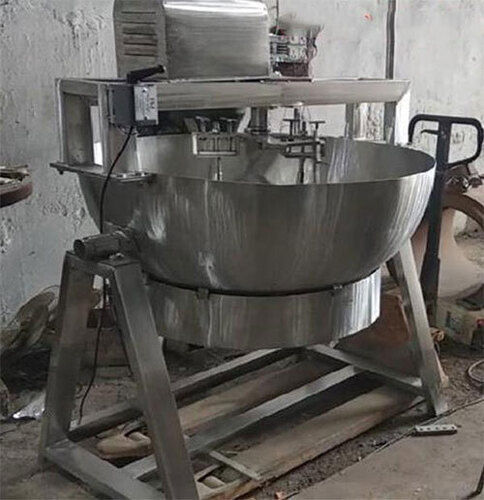
About Ghee plant
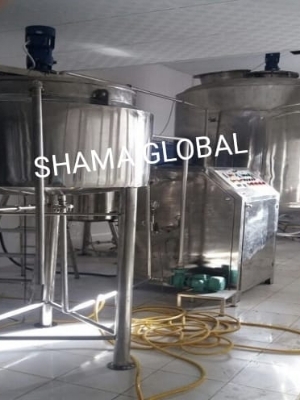
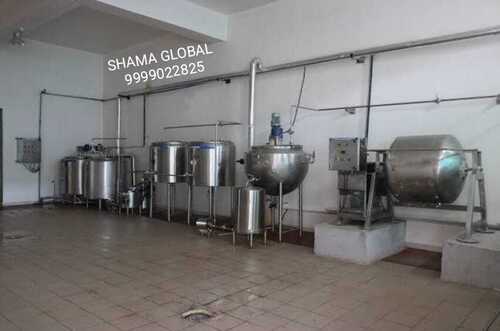
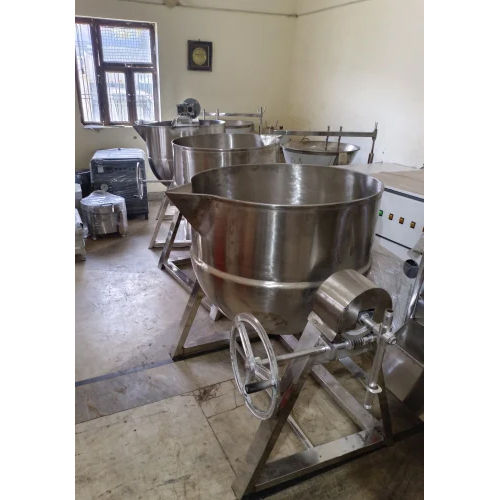
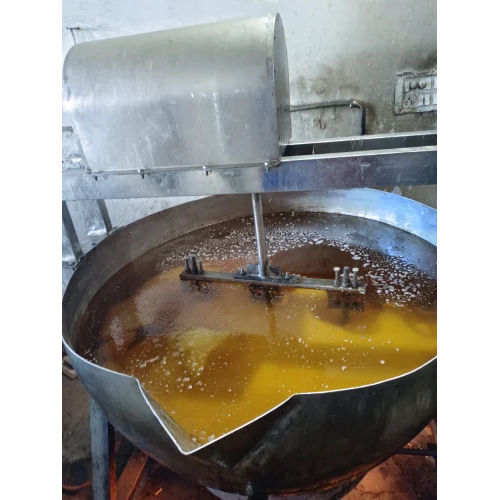
A ghee making machine is used to produce ghee, a clarified butter, by heating and separating butter into its components. Ghee is a key ingredient in many cuisines, including Indian, Middle Eastern, and Southeast Asian. Uses Food processing: Ghee making machines are used in commercial kitchens and food processing units to produce large quantities of ghee efficiently. Dairy: Ghee making machines are used in dairy industries to produce ghee. Home use: Small-scale ghee making machines are suitable for home-based businesses. Features Heating: Ghee making machines heat butter to a specific temperature. Separating: Ghee making machines separate butterfat from milk solids and water. Filtering: Ghee making machines filter the pure ghee through a fine mesh or cloth. Packaging: Ghee making machines fill and seal the ghee into containers, such as jars, bottles, or tins.
Advanced PLC Control SystemThe Ghee Plant is built with a reliable PLC control system that offers seamless operational management. This ensures consistent process parameters and easy adaptability for plant operators. By removing the complexities of computerized controls, maintenance and troubleshooting are more accessible for staff, boosting operational uptime and reliability.
Superior Hygiene and SterilizationHygiene is a priority in dairy processing, and our Ghee Plant reflects that through CIP cleaning and heat sterilization methods. The integrated Clean-in-Place system reduces downtime associated with manual cleaning, while heat sterilization guarantees that every batch meets strict food safety standards, essential for dairy producers aiming for premium quality.
FAQ's of Ghee plant:
Q: How does the water-cooling system benefit the Ghee Plant's performance?
A: The water-cooling system efficiently dissipates heat during the ghee production process, maintaining optimal operating temperatures. This not only enhances the plant's performance and energy efficiency but also extends the equipment's lifespan by preventing overheating.
Q: What makes the Ghee Plant environmentally friendly?
A: The plant's design emphasizes low energy consumption and efficient operation, resulting in reduced environmental impact. Features such as water cooling and sophisticated process controls minimize resource usage and emissions, making it a sustainable choice for dairy processing.
Q: When should the CIP cleaning system be used in the production cycle?
A: The CIP (Clean-in-Place) cleaning system should be employed after each production batch or whenever a product changeover occurs. This ensures product safety by maintaining rigorous hygiene standards and preventing cross-contamination between different batches.
Q: Where can this Ghee Plant be installed?
A: The Ghee Plant is ideal for installation in commercial dairy processing facilities, cooperative dairies, and large-scale manufacturing units involved in ghee production. Its adaptable design meets the requirements of both new and existing plants across India and other regions.
Q: What is the process flow in this dairy milk plant machinery for ghee production?
A: Milk is first pasteurized and then undergoes heat sterilization in the plant. The fat is separated and processed under controlled conditions to produce high-quality ghee, following hygienic protocols enforced by PLC control and CIP cleaning systems.
Q: How does PLC control improve plant operations?
A: PLC (Programmable Logic Controller) technology streamlines plant operations by automating crucial process parameters. It reduces manual intervention, enhances consistency, and allows for quick detection of any operational issues, improving overall efficiency.
Q: What are the key benefits for users investing in this Ghee Plant?
A: Users benefit from high efficiency, low energy consumption, reliable hygiene and sterilization, and ease of operation. These advantages translate into operational savings, superior product quality, and compliance with industry safety standards.
 +919315340602







 Send Inquiry

 Send Inquiry